Tuesday, 28 October 2014

Anxiety in Women


SOUTHERN CENTRE OF NATURAL NATURAL HEALING


Anxiety – a big worry for women

Anxiety affects over 2 million people aged 16-85 years, with the majority being women. While depression affects one in five women, anxiety is more widespread with one in three women experiencing anxiety at some time in their life.
Anxiety is a normal emotion that helps us to focus and even alerts and protects us from imminent danger. It may be experienced as feeling nervous, apprehensive, distressed or a feeling that something bad is about to happen. Feeling anxious does not necessarily mean you have an anxiety disorder. It is when feelings of anxiety become excessive, irrational or interfere in daily life that they become a problem

TYPES OF ANXIETY
There are different types of anxiety and those suffering from anxiety may experience more than one type at a time.

Generalised anxiety disorder: feeling anxious and worried about daily situations. These feelings are usually out of proportion to the circumstances concerned.

Phobias: a specific fear of something like spiders or even social situations where you may be embarrassed or feel you are being judged.

Panic disorder: frequent and unexpected panic attacks that usually last a few minutes, but can be so intense that it feels like something is really wrong, like you might be about to have a heart attack.

Obsessive compulsive disorder (OCD): having intrusive, repeated thoughts (such as thinking there are germs everywhere) and trying to make these thoughts go away by performing certain behaviours (compulsions such as repeated hand washing). 

Post-traumatic stress disorder: experiencing significant anxiety after a traumatic or distressing event. People with PTSD tend to re-live and avoid reminders of the event. Common traumas include car accidents, natural disasters and being diagnosed with a life-threatening illness.

While anxiety can happen at any time, there are times in a woman’s life when she may be more likely to experience anxiety. Major life events such as difficulty getting pregnant, being a new mother, menopause and managing a chronic illness can be times of higher anxiety for women.
The effects of anxiety can be physical such as a racing heart, sweaty hands, sleeplessness or fast breathing or it could be emotional such as difficulty concentrating, feeling panicky or overwhelmed.
It’s important to get help if your anxieties interfere in your daily life and cause significant emotional and physical distress. The good news is there is a lot you can do to help with anxiety.


10 practical tips to help with anxiety

  •       Focus on the present moment
  •      Take deep breaths
  •     Find out what you can control
  •      Ask yourself: will this matter in a week? A month? A year?
  •       Listen to music you like
  •     Take some time out
  •     Laugh
  •       Go outside and take a break for a few minutes
  •    Visit your GP or your health professional
  •        Speak to a registered psychologist


Find out more

Anxiety: Learn, Think, Do is an online ‘hub’ designed to help women learn about worry and anxiety, think about the anxieties they have, and offers practical ways to manage and live with anxiety. A self-assessment tool can help to identify levels of worry and anxiety and an online toolkit offers a variety of practical options to help deal with worries and anxieties.
For more information on anxiety across the whole of women’s lives visit anxiety.jeanhailes.org.au

Published with the permission of Jean Hailes for Women's Health
jeanhailes.org.au
1800 JEAN HAILES (532 642)

Monday, 29 September 2014

Science Shows Herbs Can Significantly Enhance Bioavailability of Nutrients

As a practising herbalist for 27 years I still get passionate when I tend to my herbs in my garden, make up my herbal mixes for my clients, see pictures of herbs and read about how well they work for us naturally.
I also love cooking with my fresh and dry herbs and spices and love the taste, benefits and science associated with using herbs as foods and medicines. So I am happy to share this link from GreenMedInfo with you:-

Science Shows Herbs Can Significantly Enhance Bioavailability of Nutrients

Sunday, 14 September 2014

Healing Weeds: Crunchy & healthy snacks with wild leaves

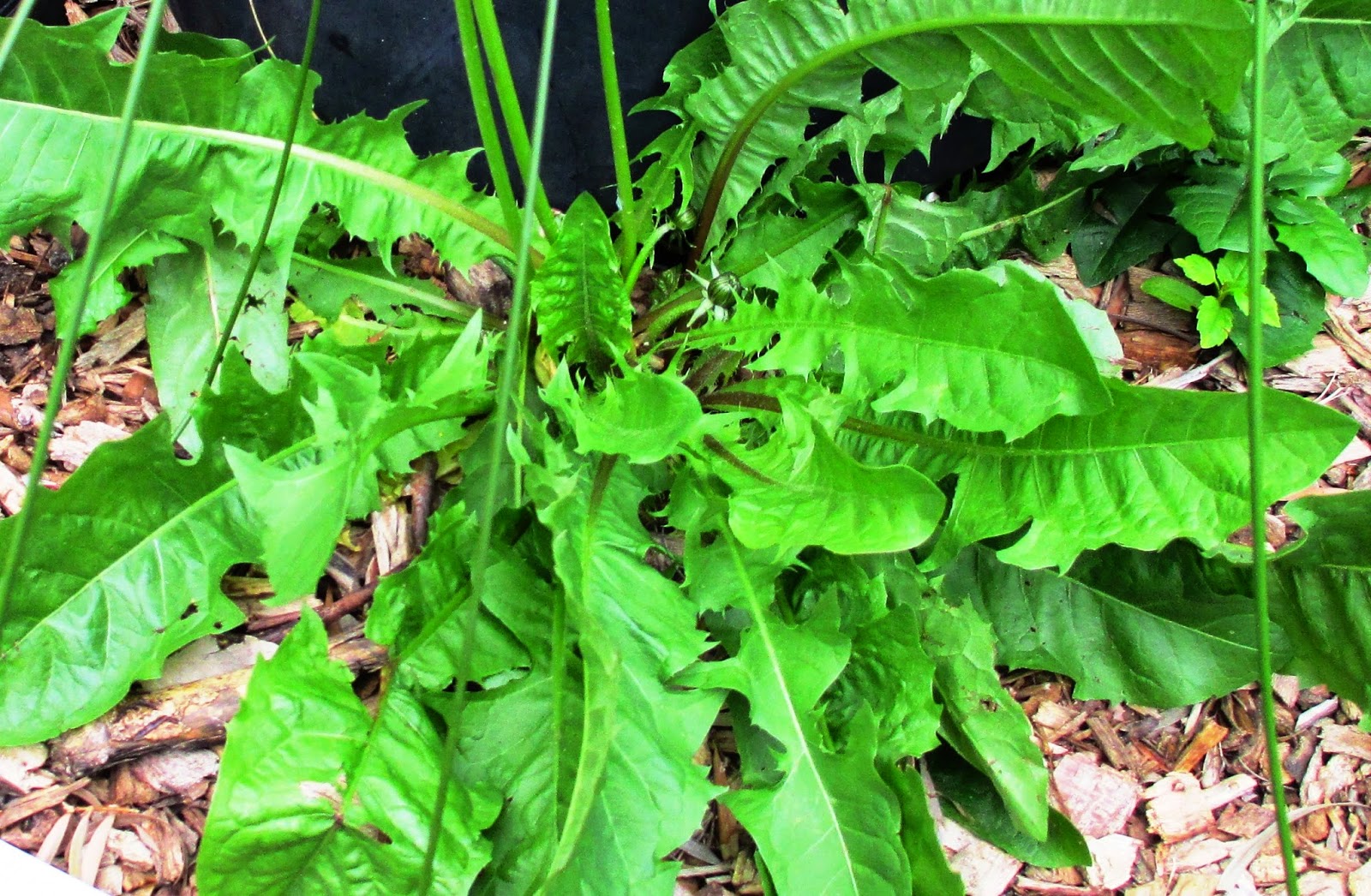
As a herbalist and lover of herbs and plants I discovered this wonderful blog about weeds via Julie Bell of Blissful Herbs in Warburton on her face book page. There are great photos, recipes and videos and more . So I really encourage you if you love herbs to take a look and a read.

Healing Weeds: Crunchy & healthy snacks with wild leaves: Here is a very easy and delicious recipe that will convince everyone - even the kids! - to eat more wild greens. It is also a great way ...

Saturday, 9 August 2014

Clinic seminars and talks

My Upcoming Seminars

MAXX PERFORMANCE with REDUCED STRESS

Are you studying and want to perform at your best without getting exhausted and feeling too stressed out ? Then this seminar where I will give you healthy tips for "brain & memory " foods, herbs and essential oils is for you to help you in your preparation for exams.Practical tips on how to reduce your stress and more. This event is a fundraiser for a student Anna for her World Challenge trip to Central America in 2015. Cost is only $15 per person or $20 for a parent with a school student.
DATE-Saturday 13 September at 2pm to 3.30pm.
Bookings with payment in advance as places are limited. 

GRASSROOTS HERBAL MEDICINE-Using Weeds from our garden as medicines.


This seminar is to celebrate National Herbal Medicine Week here in Melbourne and will be followed at a later date by a visit to a herb garden at the Melbourne Botanical gardens or the Indigenous Garden at Monash University.

DATE-CANCELLED

For other education events in Melbourne please click onto the WORKSHOPS & CLASSES link above.

Wednesday, 9 July 2014

Natural or Bioidentical Hormone Therapy

This article of interest for all women is printed with the kind permission of the Jean Hailes Clinic for Women’s Health here in Melbourne, Australia.

clip_image002

Natural or bioidentical hormones

Most women will pass through the time leading up to menopause (peri-menopause) and menopause itself with only mild – or no – symptoms. However, a percentage of women will have symptoms so bothersome that they may seek help.

Symptoms related to menopause such as hot flushes, night sweats, sleep disturbances, problems with the urinary system such as urinary leakage or urgency, vaginal dryness, formication (sensation of crawling or itching under the skin) and joint pains are related to a fall in the hormone, oestrogen. However, other symptoms such as fatigue, irritability and difficulty concentrating may be more related to the hot flushes and night sweats that reduce the quality of sleep.

The problem for women is where do they go to seek help to relieve the symptoms. Many have become fearful of hormone replacement therapy (HRT) used to relieve menopausal symptoms, after the release of findings from a major study in 2002. The study indicated higher levels of breast cancer (26%) in women using HRT and increased risks of heart disease, blood clots and strokes. However, the study had major flaws, and a subsequent review has shown that when used appropriately, HRT is a safe and effective therapy for symptomatic women around the time of menopause.

However, women remain concerned about the risks and are turning in large numbers towards so called ‘natural’ hormone therapies, also known as ‘bioidentical’ hormone therapy.

Natural or bioidentical hormones are plant-derived products made up in pharmacies to provide individualised dosages for the relief of symptoms related to menopause. They are marketed as natural, safe, risk free, age reversing, sex enhancing, and as cancer preventing. However, women are being misled by these claims.

The main problem is that their effectiveness and safety has not been tested, and their use has been shown in some cases to cause serious health concerns such as endometrial cancer.

Fact 1# Natural is not always safe

The term natural implies ‘not synthetic’ or ‘artificial’, which is misleading. All plant-derived hormone preparations undergo a chemical extraction process to produce the final product. There is little difference between the end products used in bioidentical hormones and those used in many forms of HRT. Therefore, to claim bioidenticals are more natural is misleading.

Fact 2# Natural hormones are not the same as the hormones in our bodies

The term bioidentical hormone implies that the compounds more closely resemble hormones produced in the human body than HRT. The oestrogen, progesterone and testosterone used in bioidenticals are the same as those used in many forms of HRT.

Fact 3# Bioidentical hormones are not customised

Bioidentical hormones, which can be ordered over the internet, claim to monitor hormone levels via salivary testing as a way of individualising therapy. There is no evidence of a relationship between symptoms and measured salivary hormones, nor between salivary hormone testing and hormone tissue levels. In addition, many salivary hormone tests are not accurate. Hormone testing is not a reliable indicator of hormone levels due to irregular fluctuations, particularly around the time of perimenopause. Therefore, to claim dosages are tailored to an individual’s hormonal profile is not based in science. The only method to monitor the effectiveness of hormonal therapy for the relief of symptoms is via self-report.

Natural or bioidentical hormone therapy is currently untested for safety and effectiveness and is not approved by the regulating body (TGA). There have been documented cases of harm caused by these therapies. Conventional HRT, when given to women in the right age group (50-59), in the lowest effective dose, is approved by the TGA and is safe and effective for the short term relief of menopausal symptoms.

Published with the permission of Jean Hailes for Women's Health
1800 JEAN HAILES (532 642)
jeanhailes.org.au